
Ithimba le-Know a Pro
Kubuyekezwe 24 Sept 20268 imiz yokufunda
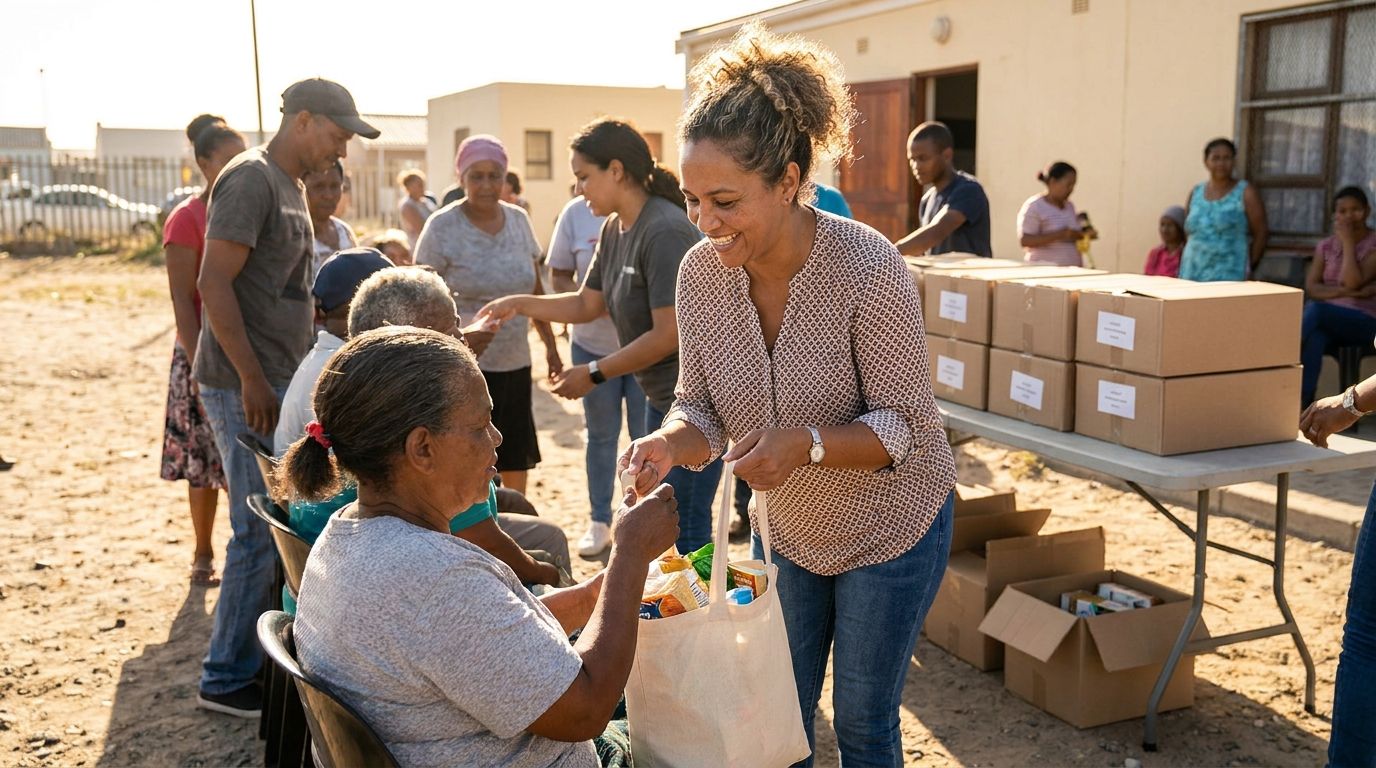
People may discover your organisation because they want to donate, volunteer, offer goods or skills, or find help for themselves or someone else.
Before they get involved, they are likely to have questions.
What do you actually do? Where do you work? Who do you help? What do you currently need? How can someone get involved?
A useful profile makes those answers easier to find without trying to turn a badge, registration number or good review into a promise of trust.
Start with your mission, then get specific
Your mission matters, but broad statements such as “uplifting our community” don't tell someone what happens day to day.
Explain the practical work.
Depending on your organisation, that might include:
- feeding programmes;
- food gardens;
- shelters;
- family support;
- youth programmes;
- education;
- skills development;
- animal rescue and welfare;
- support for older people;
- disability services;
- environmental projects;
- disaster relief;
- community development; or
- other local programmes.
Tell people what you actually do rather than trying to sound bigger than you are.
Explain who you serve and where
Be clear about:
- the communities or beneficiaries you work with;
- your geographic area;
- whether services operate from a physical location;
- whether programmes run on particular days;
- whether people need an appointment or referral; and
- any important eligibility requirements.
If you can't assist everyone who contacts you, explain the scope of your service as clearly as possible.
Describe your organisation accurately
“NGO”, “NPO”, “PBO” and “community group” aren't interchangeable labels for one status.
If you describe a particular legal, registration or tax status on your profile, make sure it accurately reflects your organisation.
Don't use a status simply because it sounds more official.
If you're a registered NPO
If your organisation is registered under South Africa's NPO framework, you can state that and provide the relevant registration information where appropriate.
Keep the details accurate and current.
Don't describe NPO registration as a guarantee of your organisation's impact, financial management or future conduct.
If you have PBO approval
PBO approval is a SARS tax status for qualifying public benefit organisations.
If your organisation has PBO approval and chooses to mention it, describe it accurately.
Don't use “PBO” as another word for NPO registration.
Be precise about Section 18A
If your organisation has the relevant Section 18A approval, explain it accurately.
Certain qualifying organisations with Section 18A approval may issue tax-deductible receipts for qualifying donations.
Don't say donations are tax deductible merely because you are an NPO or PBO.
If your approval or a particular donation doesn't qualify, don't promise a Section 18A receipt.
Tell people what you currently need
“Please support us” is broad.
Make it easier to understand what useful support looks like.
You might currently need:
- financial donations;
- food;
- clothing;
- animal supplies;
- equipment;
- building materials;
- transport;
- professional services;
- event assistance;
- volunteers; or
- other specific items.
Needs change, so keep this information current.
Explain how financial donations are used
Be clear about what you can reasonably say.
If donations support a specific campaign, explain the purpose.
If they support your organisation's wider work, say that instead.
Legitimate nonprofit work can involve operating expenses as well as direct programme costs.
Don't promise that every rand goes directly to beneficiaries unless that statement is accurate and you can substantiate it.
Keep payment information controlled
Donation scams can involve copied organisation names, fake accounts or altered banking details.
Use appropriate official channels for payment information and keep them current.
If banking details change, communicate the change carefully.
Avoid putting sensitive financial or administrative information somewhere it doesn't need to be public.
Make donating goods easier
If you accept physical donations, explain:
- what you currently need;
- what you can't accept;
- whether used goods are suitable;
- drop-off times;
- collection arrangements, if offered;
- storage limitations; and
- any hygiene or safety requirements.
A well-intentioned donation can still create work or disposal costs if your organisation can't use it.
Make volunteer opportunities specific
Instead of simply saying “volunteers welcome”, explain what help is actually needed.
Opportunities might include:
- food preparation;
- administration;
- fundraising;
- transport;
- tutoring;
- animal care;
- maintenance;
- events;
- professional skills; or
- ongoing programme support.
If an opportunity is temporary or already filled, update your information.
Explain volunteer requirements
Depending on the work, you may need to explain:
- minimum age;
- time commitment;
- orientation;
- training;
- screening;
- confidentiality;
- supervision;
- health and safety requirements; or
- safeguarding procedures.
Don't invite unrestricted volunteer access where the nature of your work requires appropriate controls.
Safeguarding needs more than identity verification
Organisations working with children, vulnerable adults or other sensitive groups may need policies, screening, supervision and safeguards appropriate to their activities.
Know a Pro's identity verification isn't a substitute for those processes.
Don't describe ID Verified as evidence that your organisation's safeguarding practices have been checked or approved.
Treat beneficiary privacy with care
Photographs and stories can help explain your work, but beneficiaries are people, not marketing material.
Be especially careful with content involving:
- children;
- vulnerable adults;
- medical information;
- shelters;
- abuse;
- poverty;
- disability; or
- other sensitive circumstances.
Use appropriate consent and consider privacy, dignity and safety before publishing identifying information.
A powerful story doesn't need to expose someone unnecessarily.
Show your work without overstating impact
Updates can help people understand what your organisation has been doing.
You might share:
- completed projects;
- programme updates;
- events;
- quantities distributed;
- volunteer activity;
- milestones; or
- current needs.
Keep claims accurate and provide context where numbers could otherwise be misleading.
Don't turn a photograph or isolated success story into proof that every programme achieves the same outcome.
Use reviews responsibly
Genuine reviews may describe someone's previous experience with your organisation.
They can provide useful context, but they don't prove:
- impact;
- governance;
- financial management;
- appropriate use of donations;
- safeguarding;
- registration status; or
- future conduct.
Don't ask people for a particular star rating or write reviews for them.
Understand what ID Verified means
South African Pros complete identity verification as part of the Know a Pro signup process before their profile can go live.
Once completed, their profile can display the ID Verified badge.
ID Verified relates to identity verification.
It does not prove:
- NPO registration;
- PBO approval;
- Section 18A approval;
- governance;
- financial management;
- appropriate use of donations;
- programme impact;
- safeguarding;
- volunteer safety; or
- that an organisation is trustworthy.
Don't present the badge as Know a Pro endorsing or guaranteeing your organisation.
Keep your profile current
Outdated information can create confusion quickly, especially when it involves urgent needs or volunteer opportunities.
Review information such as:
- contact details;
- programmes;
- operating areas;
- current needs;
- donation information;
- volunteer opportunities;
- registration/status information; and
- service availability.
If something changes, update it.
Share your profile
Your Know a Pro profile has its own shareable page link.
You can use that link through appropriate channels such as:
- your website;
- social media;
- WhatsApp;
- email;
- newsletters;
- event information; or
- other organisation communications.
It gives people another place to read the information you've chosen to make available.
What it costs to list
Know a Pro currently uses its standard monthly membership plans:
Independent Pro — R300/month
Registered Business — R500/month
Know a Pro does not take a percentage of the jobs you receive through the platform. Your applicable monthly membership fee still applies.
Make it easier to understand your organisation
A strong profile doesn't need to promise that you're trustworthy.
Let clear, current information explain your work.
Tell people what you do, who you help, where you operate, what you currently need and how they can appropriately get involved.
Accuracy is more useful than big claims.
This article provides general organisational guidance and was reviewed in September 2026. Registration, tax, fundraising, donation, safeguarding, privacy and other requirements vary according to the organisation and its activities. Confirm and comply with the requirements that apply to your organisation and obtain professional advice where appropriate.
Imibuzo evame ukubuzwa
What does it cost to list our organisation?
The Independent Pro plan is R300 per month and the Registered Business plan is R500 per month. There is no separate non-profit pricing confirmed. Know a Pro does not take a percentage of the jobs you receive through the platform. Your applicable monthly membership fee still applies.
Can we add our NPO, PBO or Section 18A information?
If your profile allows you to describe your organisation and its relevant status, only include information that accurately applies to your organisation and keep it current. NPO registration, PBO approval and Section 18A approval are different. Don't imply that Know a Pro has independently verified a status unless it has explicitly done so.
Can we use our profile to explain volunteer opportunities?
Yes. Explain the opportunities you genuinely offer, what help is currently needed and any relevant age, screening, training, scheduling, supervision or safeguarding requirements. Keep the information current as opportunities change.
Does ID Verified mean our organisation is verified as an NPO?
No. ID Verified relates to identity verification. It doesn't verify NPO registration, PBO approval, Section 18A approval, governance, financial management, safeguarding, impact or the use of donations.
Will listing guarantee donations or volunteers?
No. Know a Pro doesn't guarantee donors, donations, volunteers, supporters, enquiries, funding or other outcomes. Your profile gives you a place to explain your organisation and provide useful information to people using the platform.
Umphakathi, i-NGO & Okungenzi Nzuzo: thola uchwepheshe ongamthemba
Wonke uchwepheshe ku-Know a Pro uqinisekiswa nge-ID ngaphambi kokuba abonakale. Sesha indawo yakho bese uxhumana nochwepheshe oqinisekisiwe ngokuqondile, ngaphandle komuntu ophakathi.
Thola Uchwepheshe