
Ithimba le-Know a Pro
Kubuyekezwe 25 Sept 20267 imiz yokufunda
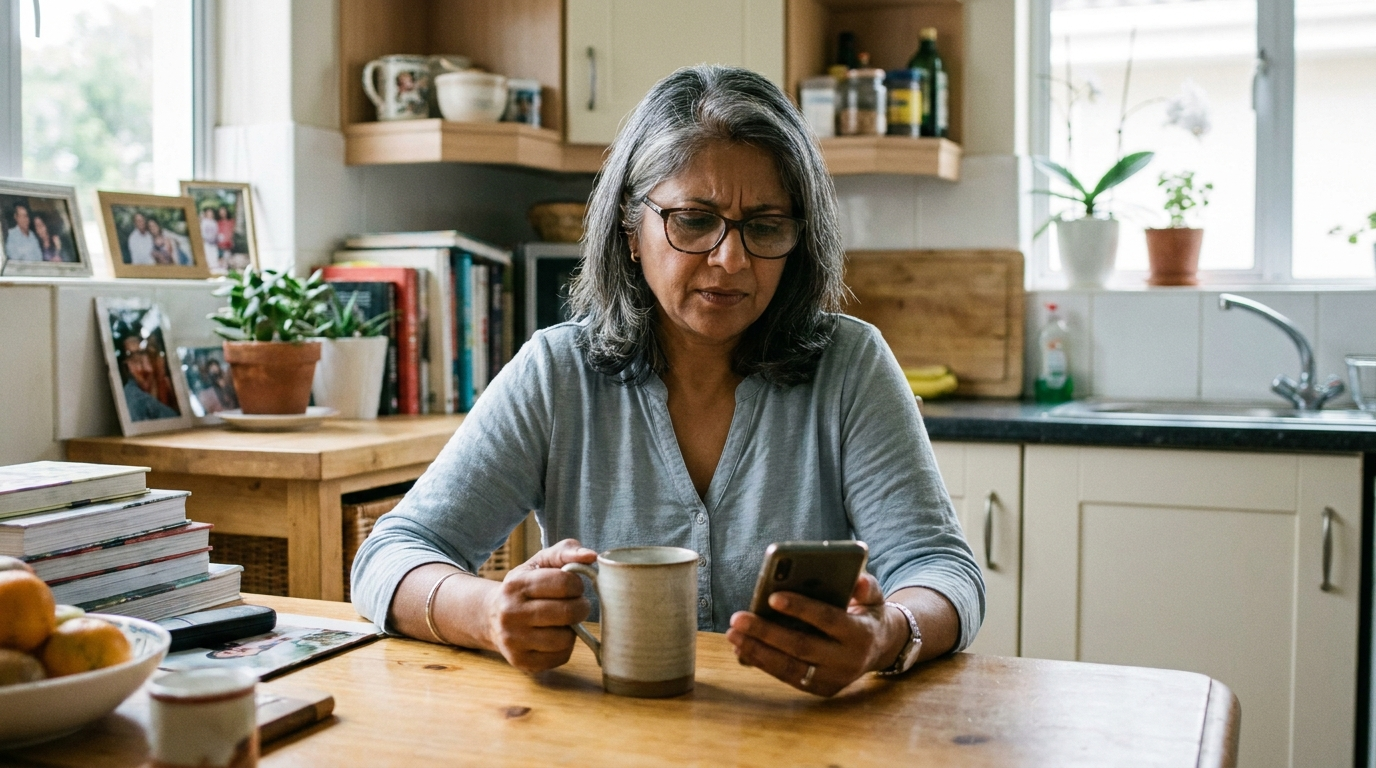
Most service transactions are ordinary exchanges between customers and legitimate providers.
But scams, impersonation and payment fraud can happen, particularly when someone is rushed into paying before checking important details.
There isn't one warning sign that proves something is a scam.
Instead, pay attention to the situation as a whole and slow down when important details don't add up.
Warning signs worth checking
One unusual detail doesn't automatically mean someone is dishonest.
But take extra care when you encounter things such as:
- unexpected pressure to pay immediately;
- bank details changing unexpectedly;
- being told not to verify payment details through another contact method;
- requests for passwords, PINs or OTPs;
- important names, contact details or payment information that don't match;
- unexplained changes to the agreed scope or price;
- links or payment instructions you weren't expecting;
- requests to move communication somewhere unusual without a clear reason;
- reluctance to provide reasonable information about a substantial job; or
- a combination of urgency, unusual payment instructions and inconsistent information.
Don't label every one of these as proof of fraud.
They are reasons to pause and verify before proceeding.
Urgency can make checking harder
Some services are genuinely urgent.
A burst pipe, vehicle breakdown, emergency repair or last-minute event problem may require a quick decision.
Urgency itself doesn't make a provider suspicious.
But being rushed can make it easier to overlook inconsistencies.
Even when time matters, try to confirm the basic details before paying.
Be careful when banking details change
Treat an unexpected change in banking details as something to verify independently.
Don't rely only on the email, WhatsApp message, invoice or other communication that supplied the new details.
Contact the provider using a phone number or communication method you already know and trust, and confirm the change directly.
Where appropriate, also confirm the account holder details presented by your banking process before approving payment.
Don't assume a familiar-looking email address, invoice or message automatically means the payment details are genuine.
Never share passwords, PINs or OTPs
A service provider doesn't need your banking password, card PIN or one-time password simply to perform a job for you.
Don't share:
- online-banking passwords;
- card PINs;
- OTPs;
- authentication codes;
- login passwords; or
- other security credentials.
Be cautious if anyone asks you to read out, forward or screenshot a security code.
Check unexpected links before using them
Be careful with unexpected payment, login or document links.
A message can look familiar without necessarily coming from the person or business you expect.
If a link is unexpected, consider navigating to the service or payment provider through a known route instead of using the supplied link.
Don't enter banking or account credentials simply because a message looks professional.
Understand who you're paying
Before sending a meaningful deposit or payment, check that you understand:
- who the provider is;
- who you're paying;
- what the payment is for;
- whether the payment details match what you expected;
- what record you'll receive; and
- what the applicable payment, cancellation or refund terms are.
If the account name, invoice, business name or other information is different from what you expected, ask why before paying.
A mismatch isn't automatically fraudulent, but it should make sense before money changes hands.
Deposits are not automatically a scam
Many legitimate services use deposits.
Deposits may be required to:
- reserve a date;
- order materials;
- secure equipment;
- begin custom work; or
- confirm a booking.
The amount and payment structure depend on the service.
Rather than treating every deposit as suspicious, understand:
- how much is required;
- what it covers;
- when it becomes due;
- what happens if the job is cancelled;
- whether it is refundable under the agreed terms; and
- who you're paying.
Full upfront payment also depends on context
Full payment before delivery isn't automatically fraudulent.
It can be normal for certain products, bookings, tickets, smaller services or custom orders.
For larger projects or substantial work, ask why full payment is required and whether the payment structure makes sense for the work.
The important point is to understand the arrangement rather than relying on one universal rule.
Cash isn't automatically suspicious either
If paying cash, consider asking for an appropriate receipt or other record of payment.
Whatever the payment method, keep enough documentation to understand what was paid, to whom and for what.
Put important details in writing
For substantial work, record the important terms in an appropriate form.
Depending on the service, this might be:
- a quote;
- estimate;
- invoice;
- booking confirmation;
- scope of work;
- proposal;
- job card; or
- contract.
Useful details may include:
- scope;
- price;
- deposit;
- payment schedule;
- materials;
- timing;
- exclusions;
- cancellation terms; and
- how additional work will be approved.
Written information doesn't guarantee a transaction is legitimate or that a dispute won't happen, but it gives you a clearer record of what was agreed.
Keep your records
Keep relevant:
- quotes;
- invoices;
- payment confirmations;
- receipts;
- booking confirmations;
- messages;
- agreed changes; and
- contact details.
If something later needs to be clarified, having the original information available can be useful.
Reviews are useful context, not fraud protection
Reviews can help you understand previous customer experiences.
They shouldn't be treated as proof that a provider, message, invoice or payment request is legitimate.
Even when you've previously dealt with a genuine provider, separately verify an unexpected change to important information such as banking details.
What ID Verified tells you
On Know a Pro, South African Pros complete identity verification as part of signup before their profile can go live.
Once completed, their profile can display the ID Verified badge.
ID Verified tells you that the Pro completed Know a Pro's required identity-verification process.
That is useful information, but it isn't fraud protection.
It doesn't guarantee that:
- every message you receive genuinely came from that person;
- banking details haven't been compromised or substituted;
- a transaction is legitimate;
- the Pro is honest or trustworthy;
- the Pro holds a particular qualification or registration; or
- your service experience will be satisfactory.
Continue to verify unexpected payment or communication changes even when dealing with a Pro who has the ID Verified badge.
Check qualifications separately where they matter
If the service requires or reasonably calls for a professional registration, licence, certificate or qualification, check that separately where appropriate.
ID Verified doesn't replace those checks.
Use the relevant official issuing body or regulator where applicable.
Be careful with personal information
Don't provide more sensitive information than is reasonably needed for the service.
Take particular care with:
- identity documents;
- banking information;
- card information;
- passwords;
- security codes;
- home-access information;
- alarm information;
- medical information; and
- information about children or vulnerable people.
Different services legitimately require different information, so consider why the information is being requested before sharing it.
If something doesn't add up, pause
You don't need to decide immediately that something is fraudulent.
If important details don't match:
- stop before making another payment;
- verify the provider through a contact method you already trust;
- check the original quote or invoice;
- confirm unexpected banking changes independently;
- don't share security credentials;
- keep the messages and payment records; and
- proceed only once you understand the discrepancy.
If you're being pressured not to make reasonable checks, that is another reason to slow down.
If you think you've already paid a scammer
Act promptly.
If the concern involves a bank transfer, card transaction or compromised banking information, contact your bank through its official app, official website or verified customer-service number as soon as possible and explain what happened.
Don't use contact details supplied in a suspicious message.
Preserve relevant evidence such as:
- payment confirmations;
- bank details;
- invoices;
- emails;
- WhatsApp or SMS messages;
- phone numbers;
- profile details; and
- dates and times.
Depending on what happened, you may also need to report suspected fraud through the appropriate official channel.
A quick payment-safety checklist
Before sending money:
- Do I know who I'm paying?
- Do the payment details match what I expected?
- If the banking details changed, have I independently confirmed them?
- Do I understand what the payment covers?
- Do I understand the deposit or cancellation terms?
- Do I have an appropriate written record?
- Am I being pressured to skip checks?
- Has anyone asked for my password, PIN or OTP?
- Is an unexpected link asking me to log in or pay?
- If something doesn't match, have I stopped to verify it?
No single check removes scam risk
Identity verification, reviews, written quotes and clear profiles can each provide useful information.
None of them guarantees that a transaction is legitimate or removes the possibility of fraud.
Use the checks relevant to the service, verify unexpected changes and slow down before sending money when something doesn't add up.
Looking for a local Pro?
Explore local Pro profiles, compare their information and make the checks that matter before you hire or pay.
This article provides general consumer information and was reviewed in September 2026. Scam methods change over time, and no identity check, review, profile or payment precaution can guarantee that a transaction is legitimate or risk-free.
Imibuzo evame ukubuzwa
Is asking for a deposit normal?
It can be. Deposits may be used to reserve a booking, order materials or begin custom work. Understand how much you're paying, what it covers, the applicable cancellation terms and who you're paying before sending money.
Is paying cash a scam warning sign?
Not by itself. Cash can be a legitimate payment method. If you pay cash, ask for an appropriate receipt or record and keep enough information to show what you paid, to whom and for what.
What should I do if I'm asked for my banking PIN or OTP?
Don't share banking passwords, card PINs, OTPs or authentication codes with a service provider. If you receive an unexpected request involving your banking security, use your bank's official channels to check what is happening.
What should I do if I think I've paid a scammer?
Contact your bank promptly through its official app, website or verified customer-service number, explain what happened and keep the relevant payment and communication records. Depending on the situation, you may also need to report suspected fraud through the appropriate official channel. Recovery of money isn't guaranteed.
Does an ID Verified badge mean a payment request is safe?
No. ID Verified means the Pro completed Know a Pro's required identity-verification process. It doesn't guarantee that a message or payment request is genuine, that banking details haven't been compromised or that a transaction is risk-free.
Other: thola uchwepheshe ongamthemba
Wonke uchwepheshe ku-Know a Pro uqinisekiswa nge-ID ngaphambi kokuba abonakale. Sesha indawo yakho bese uxhumana nochwepheshe oqinisekisiwe ngokuqondile, ngaphandle komuntu ophakathi.
Thola Uchwepheshe