
Ithimba le-Know a Pro
Kubuyekezwe 24 Sept 20267 imiz yokufunda
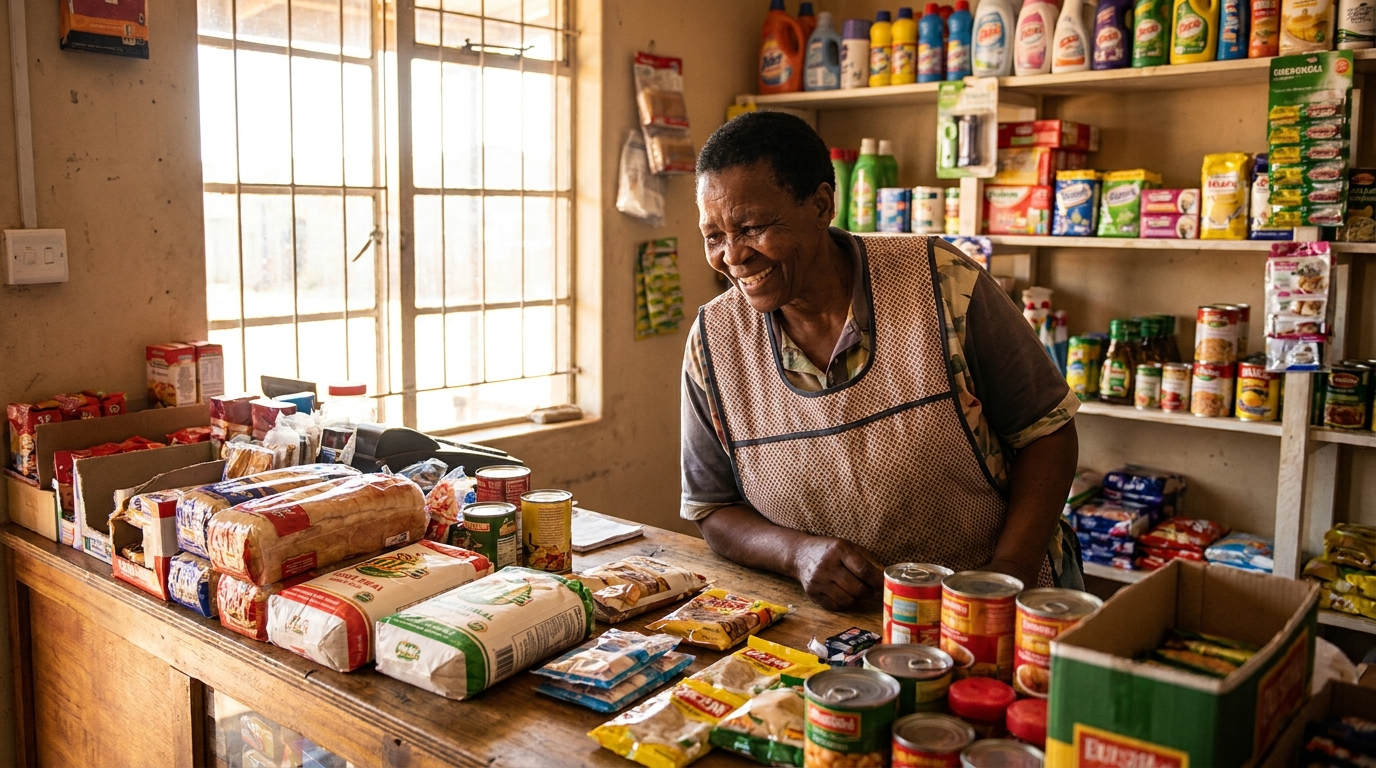
Local businesses can make everyday errands much easier.
You might need a tailor to alter a pair of trousers, a printer for invitations, a cobbler to repair your shoes, a key cutter, a laundry service or a nearby shop selling something you need today.
Buying locally can also mean discovering independent businesses and service providers in your area.
But “local” doesn't automatically tell you whether something is good value, whether a repair will suit your needs or what happens if an order goes wrong.
A few practical checks can help before you buy, order or leave an item with someone.
What counts as an everyday shop or service?
This category can include many businesses people use as part of day-to-day life.
Depending on what's available in your area, that might include:
- convenience shops;
- general retailers;
- tailors and alteration services;
- dressmakers;
- printers and copy shops;
- stationers;
- cobblers and shoe-repair services;
- key cutters;
- laundries;
- dry cleaners;
- small repair businesses; and
- other everyday retailers or services.
Some businesses may fit more naturally into another Know a Pro category. For example, restaurants, caterers and food businesses may appear under Food & Drink, while trade suppliers may fit Suppliers & Distribution (B2B).
Search according to what you actually need rather than relying only on the broad category name.
Start with exactly what you need
Before contacting a business, be as specific as you can.
For a product, that might mean:
- size;
- model;
- quantity;
- colour;
- brand;
- specification; or
- when you need it.
For a service, explain the job.
A tailor, for example, may need to know whether you need a hem shortened, a zip replaced, a garment resized or something made from scratch.
A printer may need the size, quantity, paper, colour requirements, finishing and deadline.
Clear information makes it easier to compare like with like.
Check stock before making a special trip
A profile, post or photograph doesn't necessarily mean an item is currently in stock.
If you need something specific, confirm:
- availability;
- quantity;
- size or model;
- current price; and
- whether the business can hold the item for you.
This is especially useful if you're travelling specifically to collect it.
Compare the total price
The advertised price isn't always the final amount you'll pay.
Depending on the product or service, ask about:
- labour;
- materials;
- setup charges;
- printing or design fees;
- delivery;
- collection;
- urgent-service fees;
- alterations;
- customisation; and
- other extras.
If VAT treatment matters to your purchase, confirm whether the quoted amount includes VAT where applicable.
For custom work or repairs, ask for the expected total before approving additional work.
For repairs, ask what will actually be done
Repairing something can be very different from replacing it.
Before leaving an item, ask:
- what the provider plans to do;
- whether parts or materials are included;
- whether the repair is permanent or temporary;
- expected turnaround time;
- estimated or fixed cost;
- whether they'll contact you before doing extra work; and
- what happens if the item can't be repaired.
For valuable or sentimental items, make sure you're comfortable with the arrangement before leaving them.
Get a receipt when leaving an item
If you leave clothing, shoes, equipment or another item for work, keep a record.
Depending on the situation, useful details can include:
- business name;
- date;
- description of the item;
- work requested;
- price or estimate;
- deposit paid;
- expected collection date; and
- receipt or job number.
Photographing the item's condition beforehand may also be useful for higher-value items.
Custom orders need clear instructions
Custom work can include clothing, printing, signage, personalised items and many other everyday orders.
Before paying a deposit, agree on important details such as:
- dimensions;
- wording;
- spelling;
- colours;
- quantity;
- material;
- design approval;
- price;
- deposit;
- deadline; and
- collection or delivery.
Check proofs carefully where the business provides one.
Once a personalised item has been produced, changing it may not be as simple as returning an ordinary off-the-shelf product.
Understand deposits and upfront payments
A business may reasonably ask for a deposit for custom work, special orders or materials.
Before paying, understand:
- what the deposit covers;
- whether it is refundable;
- when the balance is due;
- what happens if you cancel;
- what happens if the business can't complete the order; and
- expected completion date.
Keep proof of payment.
If banking details change unexpectedly, verify the change directly with the business through a trusted contact method before paying.
Ask about turnaround time
“Ready soon” can mean different things to different people.
If timing matters, ask for an expected date.
For printing, alterations, repairs or custom orders, also ask what happens if:
- materials aren't available;
- stock is delayed;
- additional work is needed; or
- the agreed deadline can't be met.
Don't assume same-day or urgent service is available unless the business confirms it.
Check delivery and collection arrangements
If the business delivers, confirm:
- delivery area;
- delivery fee;
- estimated timing;
- who handles delivery;
- whether tracking is available where relevant; and
- what happens if nobody is available to receive the order.
If you're collecting, confirm the address and opening hours before travelling.
Understand returns, exchanges and guarantees
Ask about the business's applicable return, exchange and repair arrangements before buying, particularly for:
- custom goods;
- special orders;
- repaired items;
- clearance goods; or
- products with manufacturer warranties.
A shop's own policy doesn't remove consumer rights that may apply under South African law.
Don't assume every product can simply be returned because you've changed your mind, particularly where an item was custom-made or personalised.
If something is defective or a service hasn't been provided as agreed, keep receipts, messages and other relevant records.
Check important product details
Depending on what you're buying, useful information may include:
- brand;
- model;
- dimensions;
- materials;
- condition;
- whether an item is new or used;
- warranty information;
- compatibility; and
- care instructions.
Don't assume an online photograph shows the exact item you'll receive unless the seller confirms it.
Read reviews with context
Reviews can help you understand previous customers' experiences.
Look for specific comments about matters such as:
- communication;
- turnaround time;
- pricing clarity;
- order accuracy;
- workmanship;
- collection or delivery; and
- how problems were handled.
Reviews aren't proof that a business will be reliable in every situation or that a product or service will meet your needs.
Supporting local businesses
Choosing an independent business can support local entrepreneurs and economic activity in your area.
It can also make it easier to build an ongoing relationship with a nearby retailer or service provider.
But shopping local doesn't mean you should skip the normal checks you would make elsewhere.
Compare what is offered, understand the price and terms, and choose the business that suits your needs.
Protect your personal information
Only provide information reasonably needed for the transaction.
Be cautious about publicly sharing:
- identity documents;
- home addresses;
- banking information;
- card details;
- passwords; or
- other sensitive information.
For deliveries, provide the necessary address privately rather than placing it in a public review or comment.
Understand what ID Verified means
South African Pros complete identity verification as part of the Know a Pro signup process before their profile can go live.
Once completed, their profile can display the ID Verified badge.
ID Verified relates to identity verification.
It does not verify:
- business registration;
- shop premises;
- ownership;
- stock;
- product authenticity;
- product quality;
- workmanship;
- pricing;
- warranties;
- reliability;
- delivery;
- returns;
- consumer-law compliance; or
- trustworthiness.
Treat the badge as one piece of identity information rather than a guarantee about the transaction.
Before you buy, order or leave an item
Depending on the purchase or service, consider confirming:
- exact product or work required;
- stock;
- total price;
- deposit;
- what's included;
- expected turnaround;
- collection or delivery;
- return or exchange arrangements;
- warranty information where relevant;
- contact details; and
- receipt or written record.
A few minutes spent confirming the details can prevent confusion later.
Find local shops and everyday services
Know a Pro lets you explore local shops and everyday service providers and compare the information they've chosen to share.
Looking for a local shop or everyday service?
Explore local businesses and compare the products, services and practical details that matter to you.
This article provides general consumer information and was reviewed in September 2026. Stock, prices, turnaround times, warranties, returns and service arrangements vary by business and transaction. Confirm current details and terms directly with the business before buying, ordering or leaving an item for work.
Imibuzo evame ukubuzwa
What kinds of shops and everyday services can I find on Know a Pro?
Depending on listings in your area, you may find retailers, tailors, alteration services, printers, stationers, cobblers, key cutters, laundries, dry cleaners, repair businesses and other everyday services. Some businesses may appear under a more specific Know a Pro category.
What should I check before leaving something for repair or alteration?
Confirm the work requested, expected price or estimate, turnaround time and what happens if additional work is needed. Keep a receipt or job record describing the item, and consider photographing its condition beforehand if it is valuable or sentimental.
Should I pay a deposit for a custom order?
A business may ask for a deposit for custom work, special orders or materials. Before paying, confirm what the deposit covers, whether it is refundable, when the balance is due and what happens if the order is cancelled or can't be completed.
Does ID Verified mean a shop or product is reliable?
No. ID Verified relates to identity verification. It doesn't verify stock, product authenticity, quality, workmanship, pricing, warranties, delivery, returns or reliability.
Can I return something if I change my mind?
It depends on the transaction and applicable consumer rights. A business's return policy and South African consumer law may treat ordinary purchases, defective goods, special orders and personalised products differently. Check the applicable terms before buying and keep your receipt.
Izinsiza Zansuku Zonke & Zokuthengisa: thola uchwepheshe ongamthemba
Wonke uchwepheshe ku-Know a Pro uqinisekiswa nge-ID ngaphambi kokuba abonakale. Sesha indawo yakho bese uxhumana nochwepheshe oqinisekisiwe ngokuqondile, ngaphandle komuntu ophakathi.
Thola Uchwepheshe